Until we moved to Turkey 20 years ago, I’d never given much thought to the fig. It wasn’t something we encountered often in our little town in western Scotland – a place where I’d been informed by the chap in our local supermarket that ‘we don’t sell exotic foods madam’ when I enquired where I might find the hummus. Fortuitously, I passed my driving test shortly afterwards, taking my first solo trips along the M8 to ‘the big Sainsbury’s’ at Braehead, where such exotic treats as hummus and – gulp – fresh ginger were to be found languishing alongside the more traditional offerings.
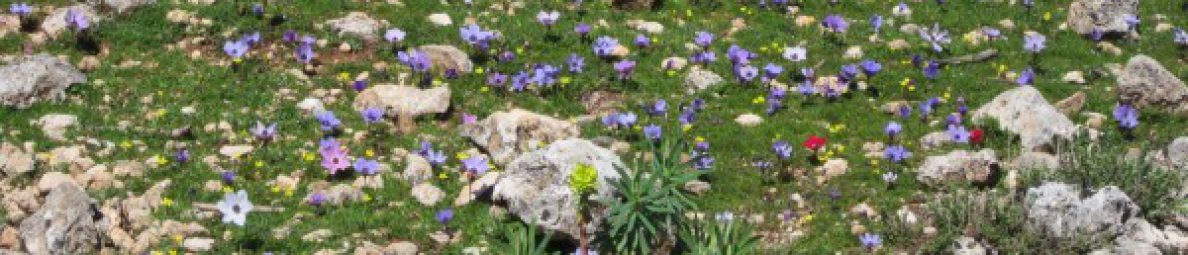
Fast-forward a few years and we were planting a garden at our new home on the south coast of Turkey. Apart from a couple of ancient olives, our land was a blank canvas, so we took inspiration from things we could see growing wild around the village. Everywhere we looked, figs vied for space with Seville oranges, lemons, carob, kapok, Judas and wattle, the ground beneath them carpeted with capers, chickpeas, sage, sumac, rocket and thyme. When summer departed and the figs shed their leaves, we were particularly taken by the image of their statuesque honey-hued skeletons against a backdrop of startlingly-blue autumn sky.
So figs were added to the list of specimens we planned to plant once the scorching temperatures had fallen to something more manageable. One morning, while I was glued to my laptop, earning our meagre crust, Himself returned from another expedition to the botanik along the road, triumphantly holding aloft what looked like two small dead sticks in pots. No, reader, these were not sticks in pots, of course they were figs – one the familiar black fig, the other a super-sweet Aydın, whose fruit arrives in early summer and ripens to a beautiful bright green.
The ‘sticks’ were planted in the ground and lovingly fed and watered. The poor old green Aydın fig flourished for a couple of years, then quite understandably turned up its toes when we attempted to move it to a new spot after recognising our foolishness in not installing a water depot when we built our house – of course, the only suitable spot for the new depot was the bit of garden next to the road, where our figgy friend resided. Poor chap – I felt guilty and bereft, and was sure that the new structure should rightly have borne a blue plaque, informing future generations of Gökseki that ‘Aydın lived here’.
Meanwhile, down on the lower terrace, the friendly black fig grew and grew. It was directly outside our office window and was beginning to provide welcome shade – not only for us but for the asparagus bed we’d planted beneath it. It stood in a particularly happy position where the overflow pipe from our (chlorine-free) pool gave it a lavish watering a few times a week. It began to tentatively bear a few fruit and to cast its seed far and wide, thus gaining some smaller fig friends to keep it company. In a particularly naive moment, I mused whether it would ever grow sufficiently tall for the fruit to be picked from the first-floor bedroom windows. A couple of years on, I was leaning out of the second floor windows, brandishing a sharp kitchen knife secured to the end of a pole to saw off the best fruit while Himself waited two storeys down, armed with a large net to catch our bounty.
Harvesting figs can be a dangerous business. How was I to know, the first and only time I plunged my swimsuit-clad body into the main canopy of the tree to reach for an enticingly plump specimen, that the hairs on the undersides of the fig leaf are toxic and would cause a horrible skin irritation that would have me yelping for days? Another essential lesson in fig cultivation painfully learned. I also discovered that picking the fruit was an operation safest conducted after dark, when Vespa crabro – that’s ‘scarily big hornet’ to you and me, or ‘donkey bee’ to our Turkish neighbours – had retreated to his nest for the evening. Grasping a promising-looking fruit that is sheltering a surprise yellow and brown passenger with a very nasty pointy bit at one end is not something I would wholly recommend.
We are now the proud parents of a prolifically-fruiting fig tree, three storeys tall, and whose outline is possibly visible from space, despite having been cut back drastically over the years. I swear that our neighbours, who of course have trees of their own, have put up signs next to their front gates, saying ‘no hawkers, no cold callers, no figs and no passion fruit’ (the passion fruit being a story for another day). Any time from the end of August, right into late October, there are clusters of ripe purple figs winking at me from outside the kitchen window, each one seeming to say ‘choose me, choose me.’
Thankfully the fig is incredibly versatile and lends itself to myriad dishes, both sweet and savoury. At the most basic level, it makes a great breakfast served simply with thick Turkish süzme yoghurt and a drizzle of honey – add a few nuts or a little granola and you have yourelf a feast.
Some peope are slightly disturbed by the thought of the fig’s fertilisation process, which involves a tiny wasp and her larvae – in which case they might prefer to think that any lingering wasp-related exoskeletons have at least been cooked. Which is lucky, as the ways in which you can serve up a cooked fig are endless.
If you combine equal quantities of figs and plums plus the same weight in sugar, and cook it for a bit, you’ll end up with the most deliciously soft conserve – it is figgy, plummy, jammy and sweet in all the right ways. Should you ever come into a glut of figs, just follow the method for apricot conserve in Delia’s ‘Summer Collection’ but omit the lemon juice, as the plums have pectin in spades, and you don’t want to end up with fig concrete. Another of our favourites is a chutney made from figs, plums and Chinese five-spice – excellent with cold meats, and I can personally vouch that it’s exactly the thing to slather onto a cheese butty (or to dollop on the side of a spicy curry in lieu of mango chutney, if you are careless enough to live in a place where mango chutney is not on the menu).
As the summer begins to close, chattering flocks of tiny skylarks arrive in their hundreds to join the hornets in the fight for the best fruit – I am certain the two groups work in tandem. The larks use their sharp beaks to peck at the fruit, making a perfectly-sized opening for a hornet to pop its head inside and gorge at the succulent flesh. The area around the hole begins to decay, which is apparently the signal for every ant in Lycia to join in the action. Eventually, what’s left of the fruit falls to the ground, where it becomes caramelised and toffee-like (and then usually glues itself to the shoe of some hapless passer-by, so that it can subsequently make its sticky progression across the hallway and up the stairs, its ultimate destination being our only remotely good Turkish carpet).
If you can get to the pecked fruit before the ants move in, it can still be trimmed and used for crumbles or pies – a long-time favourite being Bakewell tart given a figgy makeover. Another contender for the top spot is in an Eve’s pudding, where the figs are cloaked in luscious vanilla-scented sponge with a crisply golden crust. As it’s widely believed that Eve’s forbidden fruit was indeed a fig, not an apple, what could possibly be more appropriate? If I rescue fruit that is too ripe (or too squashed) for the plate or pudding bowl, one or two invariably find their way into the roasting tin when I’m roasting chicken or lamb. If you mash what’s left of the figs with a spoon at the end of the cooking time, they dissolve into the gravy, making it beautifully glossy and introducing a sweet/sour tang – not dissimilar to the way in which we might add a teaspoon or two of redcurrant jelly to a gravy to provide a sweet note.
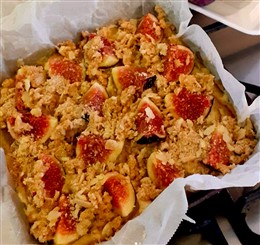
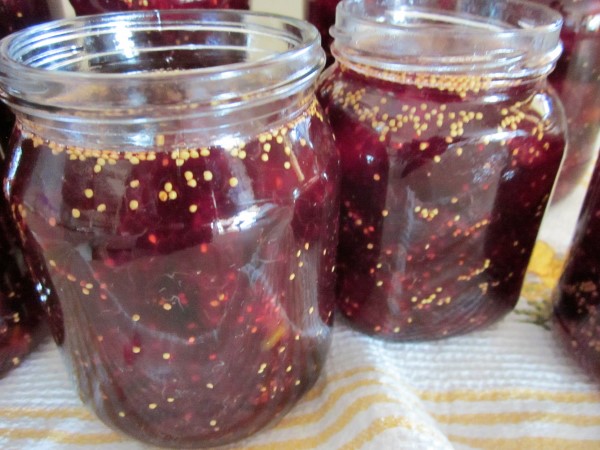
However, I think I may finally have landed upon my all-time favourite recipe for the fig. While in the UK a few weeks ago, I happened to catch Ravneet Gill on Saturday Kitchen, sharing her gorgeous recipe for blackberry crumble cake with pistachio custard. Blackberries don’t grow in our bit of Turkey because it’s as hot as Hades and they very sensibly choose to grow elsewhere, where things are a bit more clement. You can see where this is going, can’t you? When I got back to Turkey, the fresh pistachios from Antep were already starting to make their long pilgrimage to our Friday market, just begging to be made into Ravneet’s luscious green custard, and there simply weren’t enough jam jars in the world to accommodate the amount of fruit hanging on our groaning fig tree. Well, it would have been rude not to, wouldn’t it?
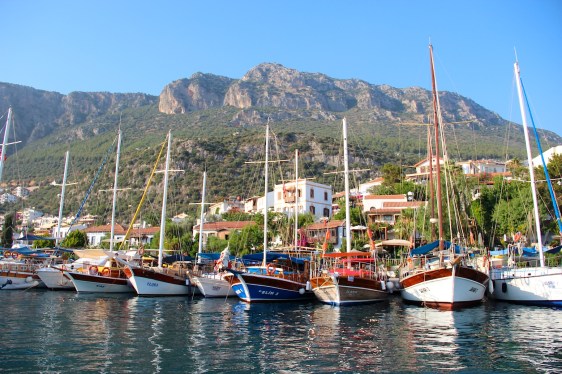 Living in a total backwater and being two days drive away from the border that Turkey shares with Syria, Iraq and Iran, not to mention a very long way from Istanbul and Ankara, we’ve always felt somewhat insulated from the ‘real world’. That all changed with the failed coup of July 2016 and the many terror attacks that followed.
 No recipe today, I am simply curious, and I am confined to barracks because it is hoofing down with rain. I was just browsing the rather impressively organised stats that WordPress very kindly collates for us and I am intrigued to know why so many people are looking at the
 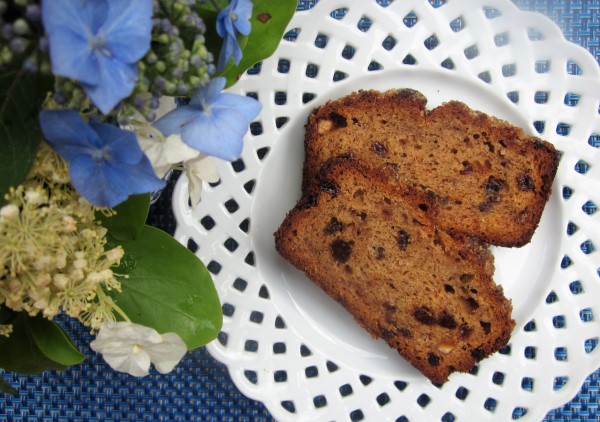 We’ve been back in Cornwall for three weeks and, ahem, I believe there have been no blog posts during that time. We’ve been busy trying to get the house finished and there has also been the lure of the unusually fabulous British weather, so we thought we’d squeeze in some walks and see a few more places before the mass arrival of tourists when the school holidays start in a couple of weeks time.
 We rarely eat bread from our local bakeries – I am sure Turkish bread is a novelty if you are a tourist, but it’s basically quite a lot of very sharp crust filled with quite a lot of air. Oh, and the only bits in the middle that aren’t actually air are horrible chemicals which act as yeast accelerators so that the bakers only have to give the dough one rise (very poor behaviour).
 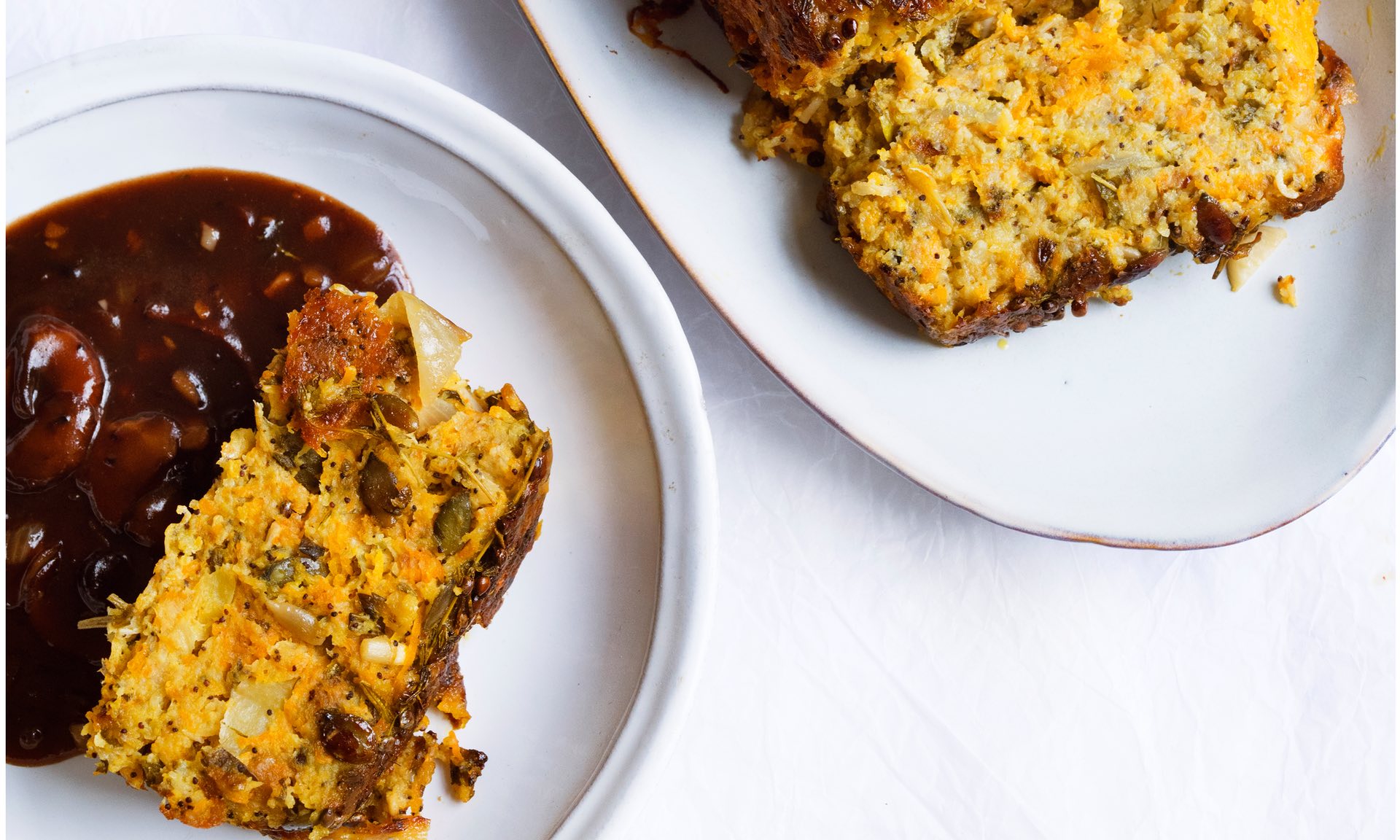 When we started out on this vegan lark, I absolutely promised myself that this month would be all about producing delicious food from fresh vegetables, salads, pulses, good bread and anything I can make with any of those things. I swore I would not try to emulate non-vegan dishes or use weird and wonderful ingredients.
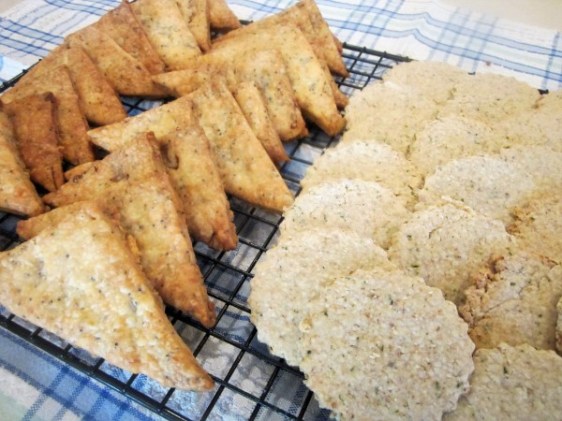 I’m making our friend Linda a little Christmas hamper, so that she has a few yummy goodies to tuck into if she is at home in front of the fire over the next week while we are away. She does like a piece of cheese, and decent crackers are not something you can generally buy in a Turkish supermarket, so I thought I’d better get creative.
 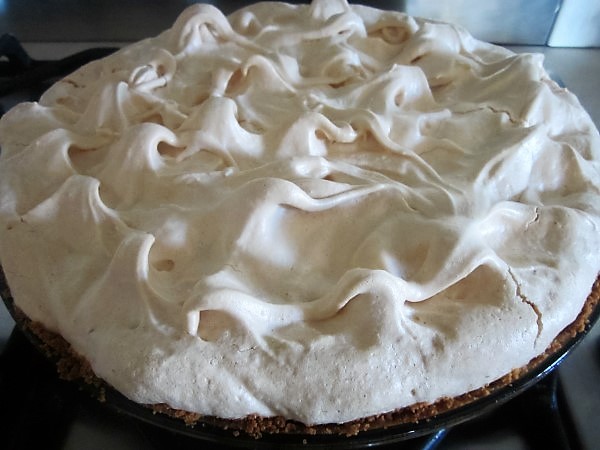 Our friends have sold their apartment and the deal concludes this coming week, so they are having a farewell dinner for a few of us this evening. My task is to bring the pudding. I had planned to make Heidi’s Tongan coconut tart, which we came across on our recent holiday there (a kind of lovely gooey coconut custard in a crunchy case). Unfortunately, one of the other guests hates coconut, so I’ve had to have a re-think. I WILL do the coconut tart, but you will have to wait a bit longer for that one.
  We’ve recently had a new hospital built at the eastern end of our village, which serves the small towns of Kaş and Kalkan, along with the numerous villages attached to them.
 Did I mention that it’s hot here? And no sign of it abating either – I keep looking hopefully at the BBC weather programme, but they are just forecasting warmer and warmer temperatures. It’s supposed to be cooling down, not getting hotter. Someone tell these weather guys it’s September for goodness sake.
  aviewfrommykitchen.com